PEA & MEA High Voltage Metering (TOU / TOD Tariff) Requirements

📌 Executive Summary
Understanding high voltage metering sets, CT/PT metering units, and Tariff structure optimization for manufacturing facilities.
1. Overview of HV Power Purchase and CT/PT Metering Sets
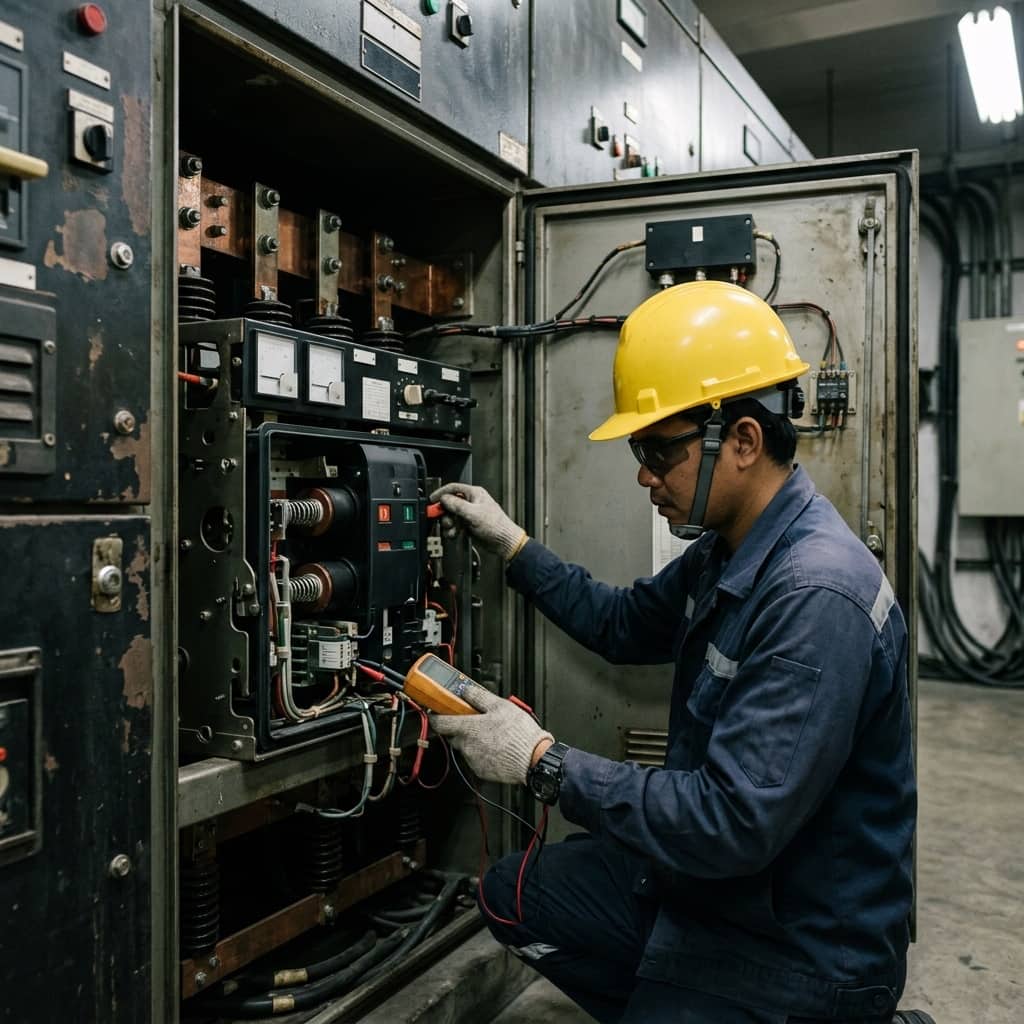
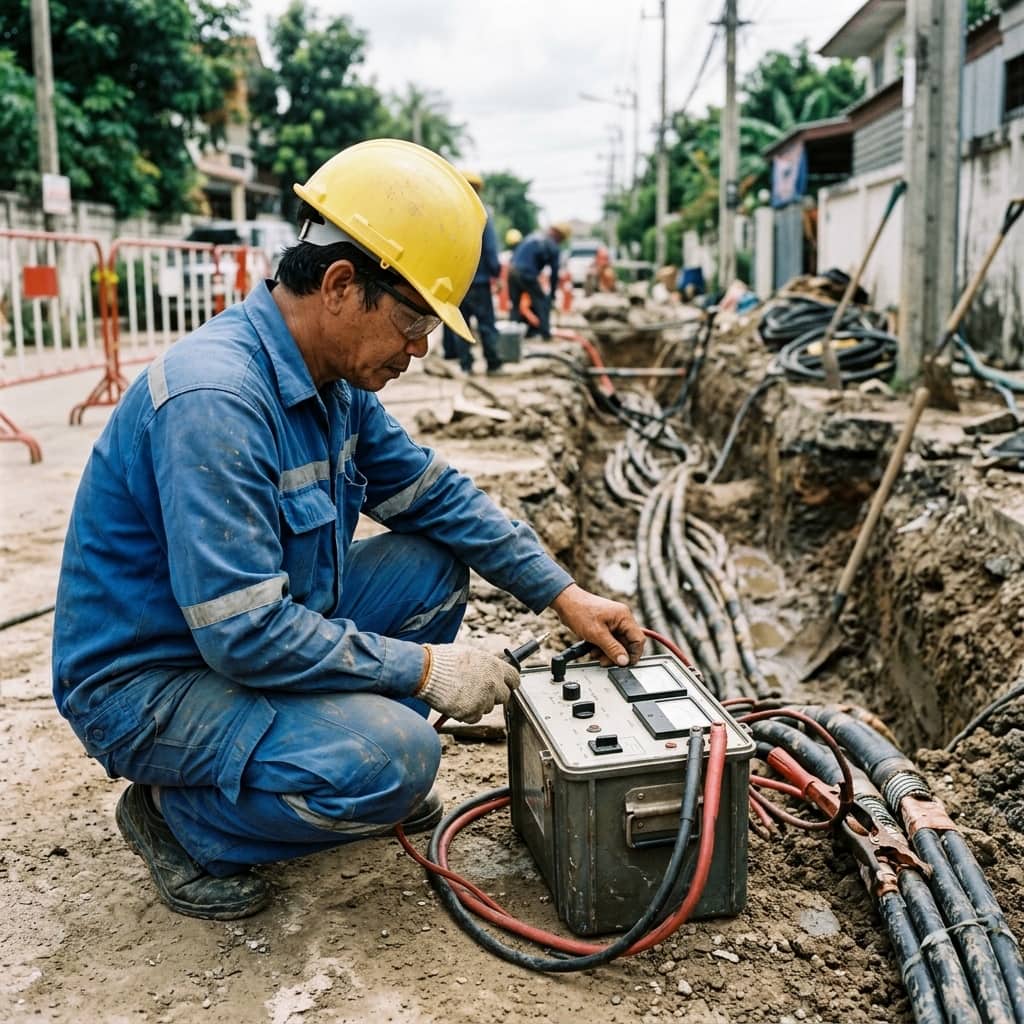
Large consumers such as industrial plants and major buildings typically take supply at medium or high voltage — 22 kV or 33 kV in Provincial Electricity Authority (PEA) areas, and 12 kV, 24 kV, 69 kV, or 115 kV in Metropolitan Electricity Authority (MEA) areas. Revenue metering at these voltages cannot connect directly to the conductors, so metering sets use instrument transformers — current transformers (CT) and voltage transformers (PT/VT) — to scale signals down to levels the meter accepts.
Billing accuracy therefore depends on the accuracy class of the CTs and PTs, ratios matched to the actual load, and secondary burden kept within rating. A CT ratio oversized relative to real load forces the meter to operate in its low-current, high-error region, so recorded units can deviate from true consumption. Metering set design is genuine engineering work that must consider the facility's load profile carefully from the outset.
2. Utility Requirements and Instrument Transformer Standards
HV metering installations must follow the grid connection requirements and standard drawings of the local utility, PEA or MEA, which specify everything from meter locations accessible for utility reading and sealing, enclosure types and tamper sealing, to the accuracy classes of revenue CTs and PTs. The instrument transformers themselves follow the IEC 61869 series, with revenue metering generally using CTs of class 0.5 or better as the utility specifies case by case.
Metering set components are tested and sealed by the utility; the consumer has no right to open or alter metering circuits. Enclosure design, location, and electrical drawings require utility approval before construction, and any later modification — transformer capacity expansion or relocation of the supply point — must be reported and executed through the utility. Design engineers should always consult the latest edition of the local utility's standard drawings, as details are revised periodically.
- Follow the latest PEA / MEA standard drawings and connection codes
- IEC 61869 series — CT/PT instrument transformer standards
- Revenue CTs are class 0.5 or better as the utility specifies
- Never break seals or alter metering circuits unilaterally
3. TOU / TOD Tariff Structures and Matching Them to Your Load
Time of Use (TOU) tariffs split energy prices into On-Peak and Off-Peak periods, with Off-Peak covering nights, weekends, and announced public holidays, so consumers able to shift production to nights or weekends pay significantly less per unit. The older Time of Day (TOD) structure levies demand charges by period of day and still applies to certain customer groups under legacy conditions.
Choosing the right tariff starts with analyzing the facility's actual load profile — the share of energy in each period, peak demand, and how flexibly production can be shifted — then simulating bills across the eligible tariffs using at least twelve months of real data to capture seasonality. Tariff rates, conditions, and time windows are revised by the regulator from time to time, so always verify the utility's current announcement before deciding.
4. Common HV Metering Pitfalls and How to Avoid Them
Frequent mistakes include sizing CT ratios from transformer capacity rather than actual operating load, leaving the meter in its high-error region; running secondary wiring too long or too small so CT/PT burden ratings are exceeded; and placing metering enclosures where flooding occurs or utility staff cannot easily access them. All are far costlier to fix later than to design correctly at the start.
On the energy management side, many operators select a tariff once and never revisit it even as production patterns change. Good practice is to review tariff suitability annually against fresh load data, install internal energy monitoring for a detailed profile, manage peak demand by sequencing large machine starts, and coordinate with the utility in advance of any change to the supply arrangement — keeping both measurement integrity and energy cost at their proper levels.
- Size CT ratios from actual load, not transformer rating
- Keep secondary burden within CT/PT ratings
- Review tariff suitability every year
- Coordinate with the utility before any supply changes
Need engineering consultation regarding High Voltage?
The WIN TECH SERVICE engineering team is ready to provide site surveys, electrical system inspections, and prepare accurate legal certification reports.