Microgrid Controllers: Synchronizing Solar PV with Diesel Generators
📌 Executive Summary
Preventing diesel generator reverse-power trip while maximizing solar energy contribution during main grid outages.
1. The Microgrid Concept and Solar-Diesel Integration
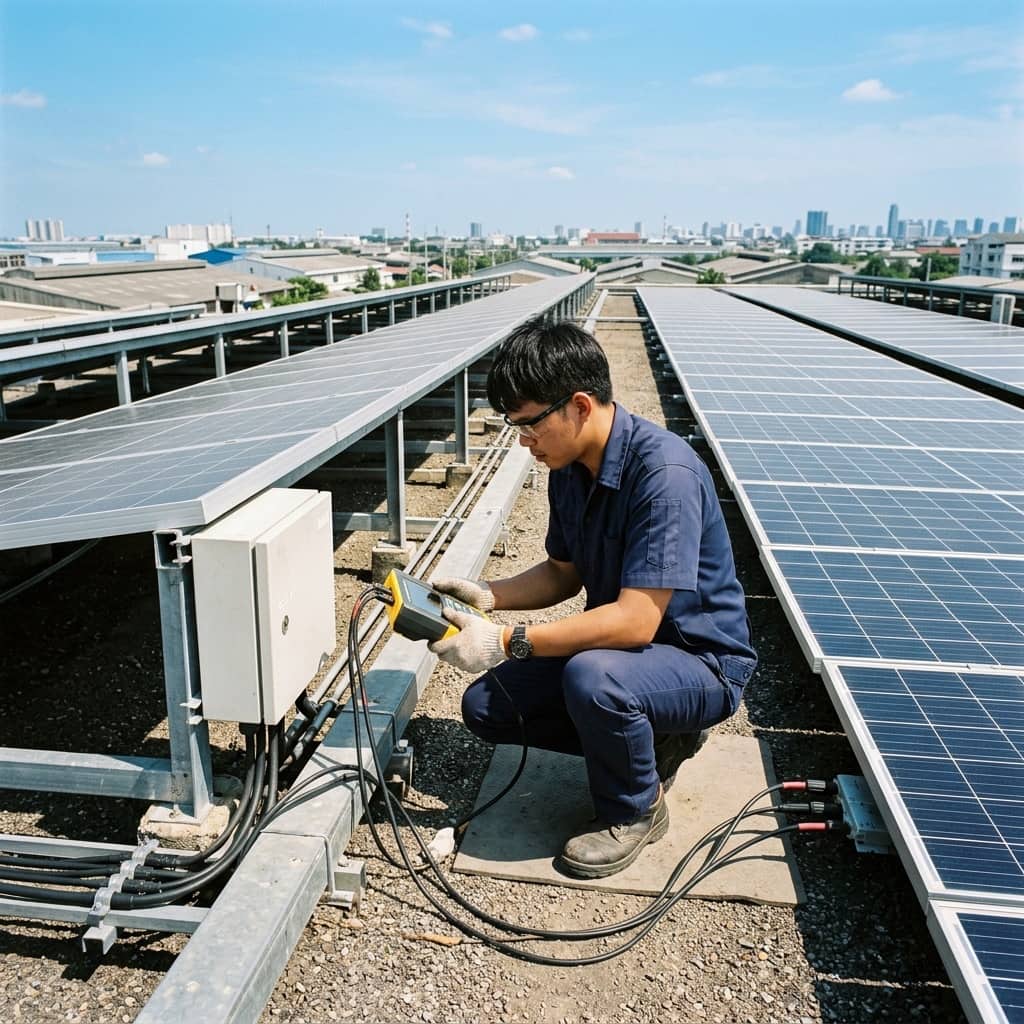
A microgrid is a localized power system combining multiple generation sources, loads, and controls, capable of operating both grid-connected and islanded. Integrating solar PV with diesel generators is common in plants demanding high power security, sites far from the distribution network, or businesses wanting to displace diesel run-hours with solar energy to save fuel and cut carbon emissions.
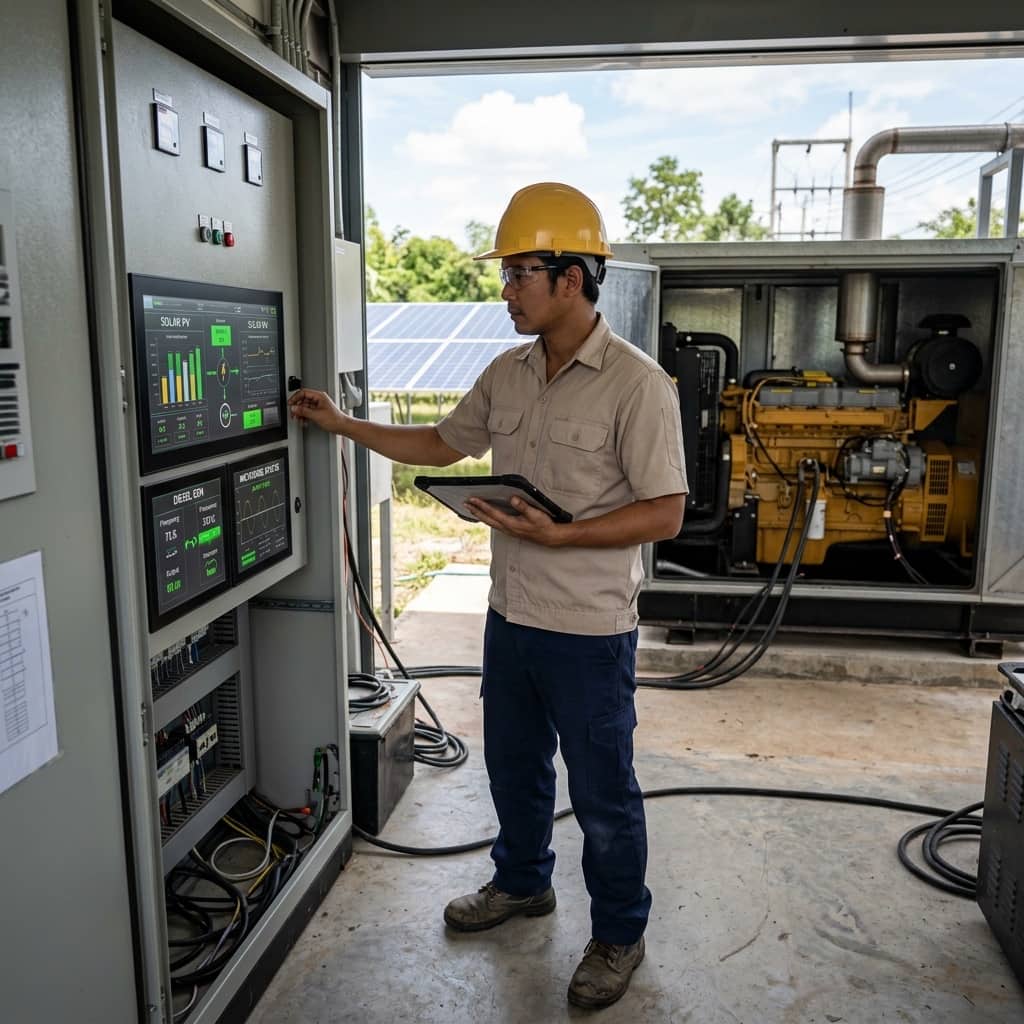
The core technical challenge is the differing nature of the two sources: the diesel set is a rotating machine that forms system voltage and frequency (grid-forming), while typical solar inverters are grid-following, with output varying with clouds and sun. If solar is allowed to supply so much that the diesel's remaining load falls below its minimum rating, the engine suffers light-load problems (wet stacking) and frequency control becomes unstable. The microgrid controller is the heart that lets both sources work together safely.
2. Microgrid Controller Functions and Related Standards
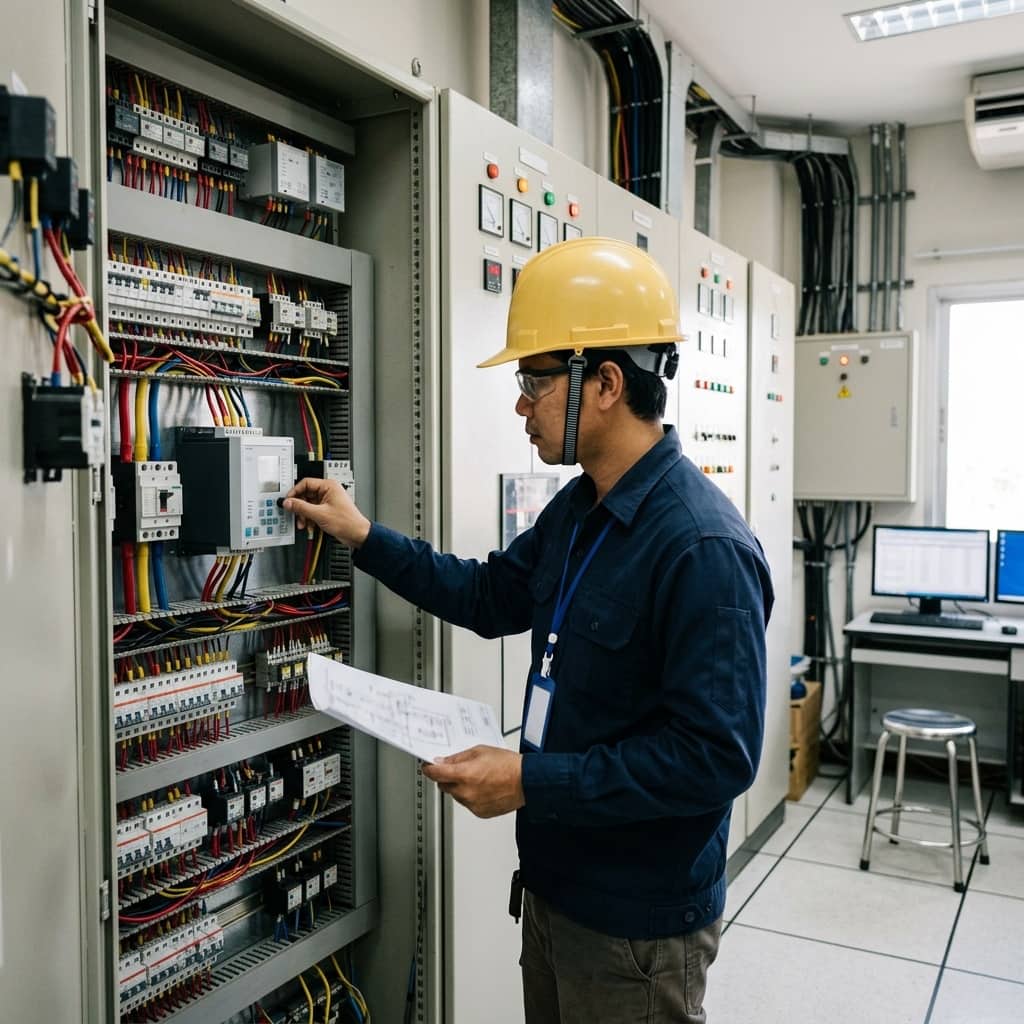
The microgrid controller monitors total load, solar output, and diesel status in real time and keeps the system balanced continuously. Key functions include limiting solar power to maintain the diesel's minimum load, holding spinning reserve against sudden cloud events, sequencing multiple diesel sets on and off with load, and transitioning smoothly between grid-connected and islanded modes.
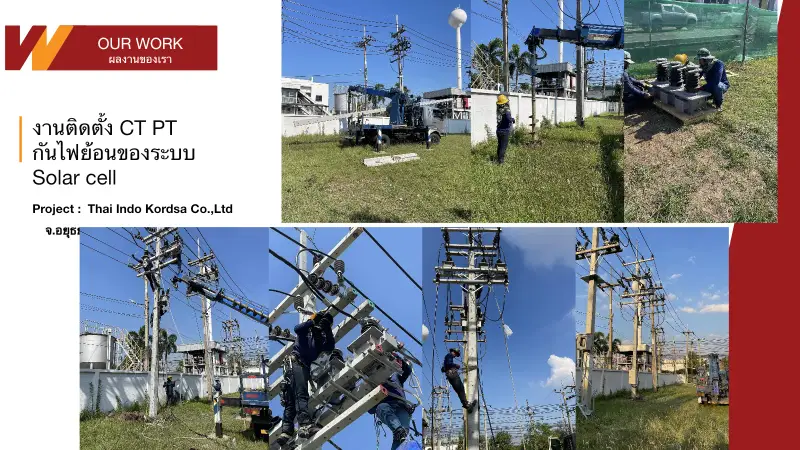
On the standards side, connection to the utility network must still comply with PEA/MEA generator paralleling requirements like any generation system. The control architecture can reference international microgrid frameworks such as the IEC 62898 series, which guides microgrid planning, design, and operation, along with industrial communication protocols such as Modbus and IEC 61850 for interconnecting control equipment from different vendors.
- Diesel minimum load control
- Spinning reserve against sudden cloud events
- Multi-genset start/stop sequencing by load
- Reference the IEC 62898 series framework
- Device communication over Modbus / IEC 61850
3. Designing and Testing the Hybrid System
Design starts with real load profiles and existing diesel operating data to compute the maximum PV penetration the system can absorb, anchored to the engine manufacturer's minimum load condition. Reserve levels are then designed from the fastest solar ramp expected at the site. Where higher solar share is desired, battery storage can absorb the swings — which changes the entire control equation and must be co-designed from the start.
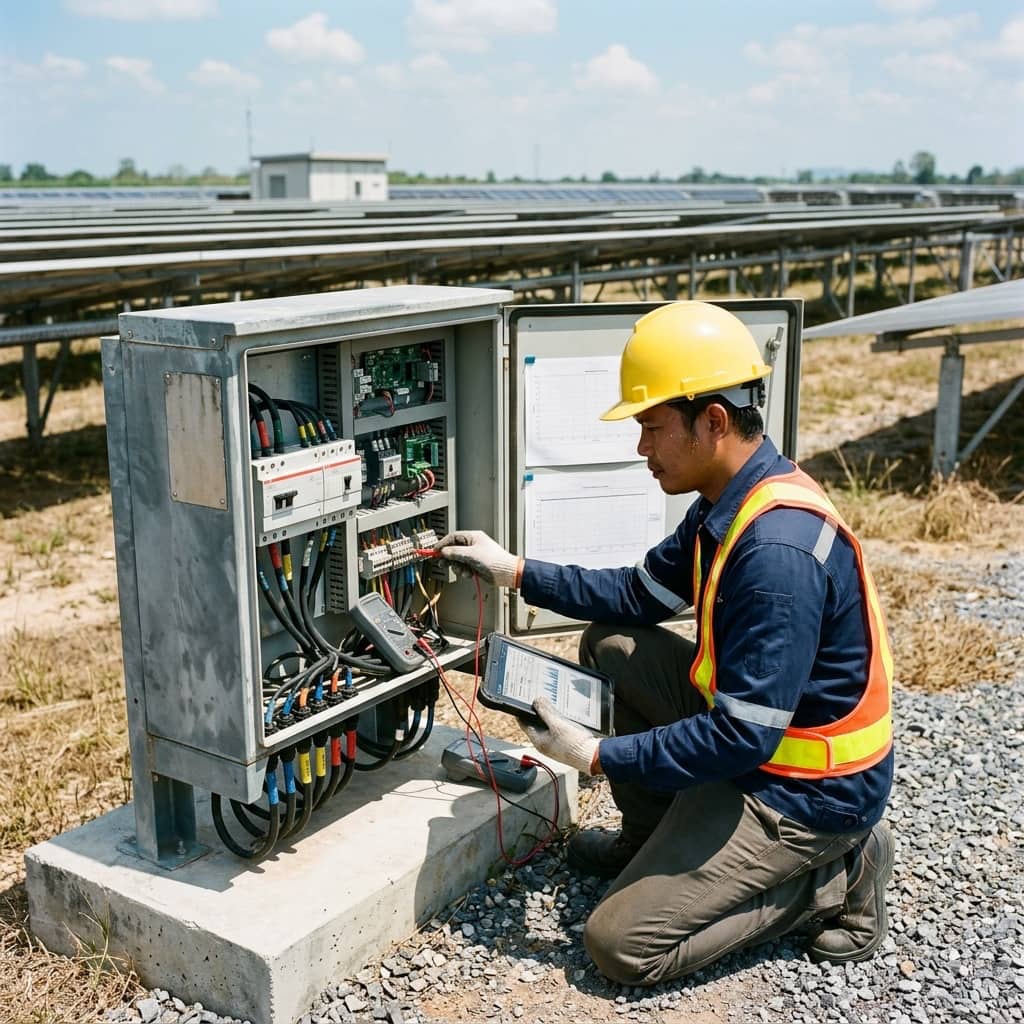
Acceptance testing must prove system behavior across the full scenario set: simulated sudden cloud cover by instantly curtailing solar to observe the diesel picking up load, large block load rejection to observe surplus power shedding, grid-connected to islanded transitions without interruption, and black start recovery from a complete outage — recording voltage and frequency through every event against the design criteria.
4. Common Operating Problems and Remedies
Common problems in loosely designed hybrids include diesel engines running below minimum load for long periods, causing carbon fouling and soaring maintenance costs; frequency swings under fast-moving cloud because reserve is insufficient; inverters tripping during mode transitions because voltage-frequency windows don't match the diesel's actual behavior; and communication loss between controllers and multi-vendor devices with no defined safe fallback.
Remedies are to review actual operating data after the initial period and re-tune minimum load and reserve settings to measured behavior; configure inverters to ride through the wider voltage-frequency envelope of islanded operation; define explicit fail-safe states for communication loss in every device; and rehearse emergency scenarios with plant operations teams periodically so both the system and its people are ready when a real event occurs.
- Re-tune minimum load and reserve from measured data
- Set inverter ride-through windows suited to islanded mode
- Define fail-safe states for communication loss on every device
- Rehearse emergency scenarios with the operations team
Need engineering consultation regarding Solar & Clean Energy?
The WIN TECH SERVICE engineering team is ready to provide site surveys, electrical system inspections, and prepare accurate legal certification reports.